
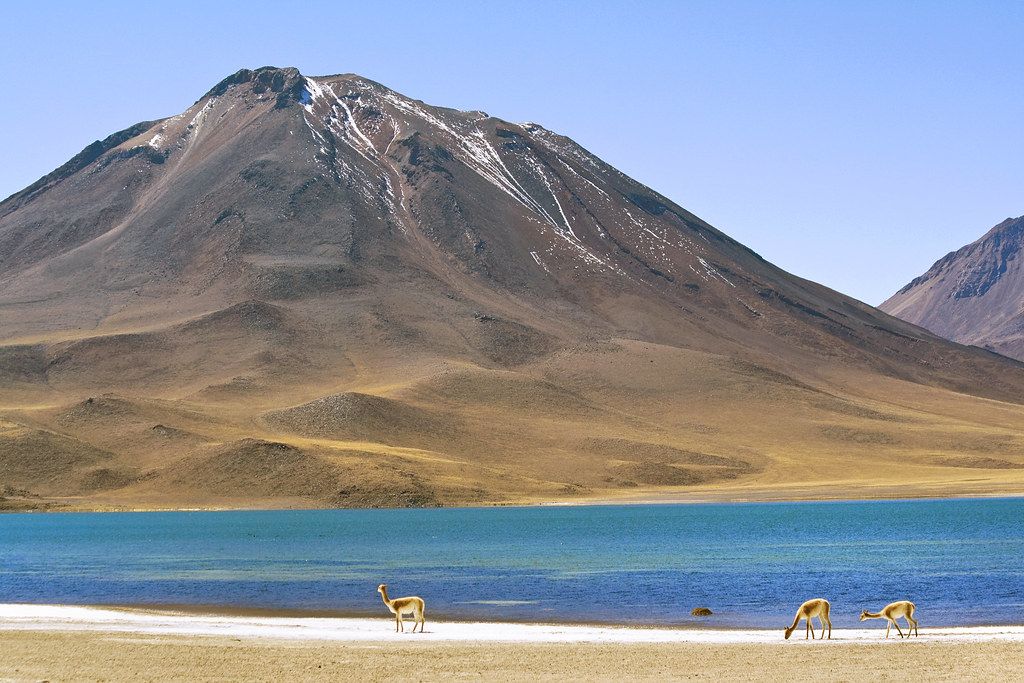
Arrive in San Pedro from the coast or from a flight, and the first few hours may feel perfectly normal. Then, perhaps on a short walk or while climbing stairs, you notice your breathing quicken, your heart beat harder, a dull ache behind the eyes. That is the altitude. At about 2,400 metres, the town is high enough that the air holds noticeably less oxygen than at sea level.
Most people adapt to the town itself without trouble. The real challenge comes on the day trips, many of which go well above four thousand metres. Understanding what happens to your body, and planning around it, keeps those trips safe and enjoyable.
This page is general information, not medical advice. Before you travel, talk to a doctor about your own health and the altitudes you plan to reach.
What altitude does
As you climb, air pressure drops, and each breath brings in less oxygen. The body responds by breathing faster and pumping blood harder, and over days it adjusts further. That adjustment, called acclimatisation, takes time, and it cannot be rushed.
If you go up faster than your body can adapt, you may develop acute mountain sickness. Common signs include headache, nausea, loss of appetite, dizziness, unusual tiredness and poor sleep. Many people get mild symptoms, especially on the first night up high or on a trip to the El Tatio geysers at dawn, which sit at well over four thousand metres.
Much more rarely, altitude causes serious and dangerous illness affecting the lungs or the brain. Warning signs include breathlessness at rest, a cough that will not stop, confusion, clumsiness or severe drowsiness. These are emergencies: the person needs to go down at once and get medical help.
A gentle first two days
The best protection is a gentle itinerary. Spend your first day or two in and around town, at roughly the same height, on outings that involve little climbing. Then build up to the higher trips.
- Start low: the town, the salt lagoons and the valleys near town are all at or close to the town's altitude.
- Go a little higher next: the salt flat and some villages along it add a few hundred metres.
- Save the highest outings, such as the geysers and the high lagoons, for later in your stay.
- Return to sleep in town after each high trip, rather than spending nights higher up at first.
The order matters more than the exact days. If you feel unwell, rest before going higher. Most symptoms ease within a day or two at the same altitude.
Look up next: Desert heat, desert cold
Water, food and sleep
The desert air is extremely dry, and at altitude you lose water fast through breathing alone. Drink regularly through the day, even when you are not thirsty, and carry a refillable bottle everywhere. Pale urine is a useful sign that you are drinking enough.
Eat light, simple meals in the first days, and favour carbohydrates, which the body uses easily at altitude. Go easy on alcohol, which worsens dehydration and disturbs sleep, and avoid heavy meals before a pre-dawn start.
Sleep may be broken at first. Some people wake often, dream vividly or notice irregular breathing at night. This usually settles. Keep your room warm, drink some water before bed, and allow extra rest in your plans.
Dry air and strong sun
The dry air affects more than your breathing. Lips crack, skin tightens, eyes itch and noses bleed. A few simple things help:
- A lip balm with sun protection, used often.
- Moisturiser for hands and face.
- A saline nasal spray, if you are prone to nosebleeds.
- Eye drops, and glasses instead of contact lenses on dusty, windy days.
The sun is intense at this altitude, with high levels of ultraviolet light even when the air feels cool. Wear a wide hat, good sunglasses and strong sunscreen, and cover your skin on long days outside. Glare from salt and snow makes it worse.
Who should take extra care
Some people need to think harder about altitude. Talk to a doctor well before your trip if you have heart or lung conditions, high blood pressure, anaemia or any chronic illness; if you are pregnant; or if you are travelling with young children or older relatives. A doctor can also advise on whether preventive medication is suitable for you.
Being fit does not protect you from altitude sickness. Young, athletic people often push too hard on the first day and suffer for it. Pace matters more than fitness.
Basic health care is available in San Pedro, and more complete services in Calama. Make sure your travel insurance covers activities at high altitude and medical evacuation.
Higher trips and the night
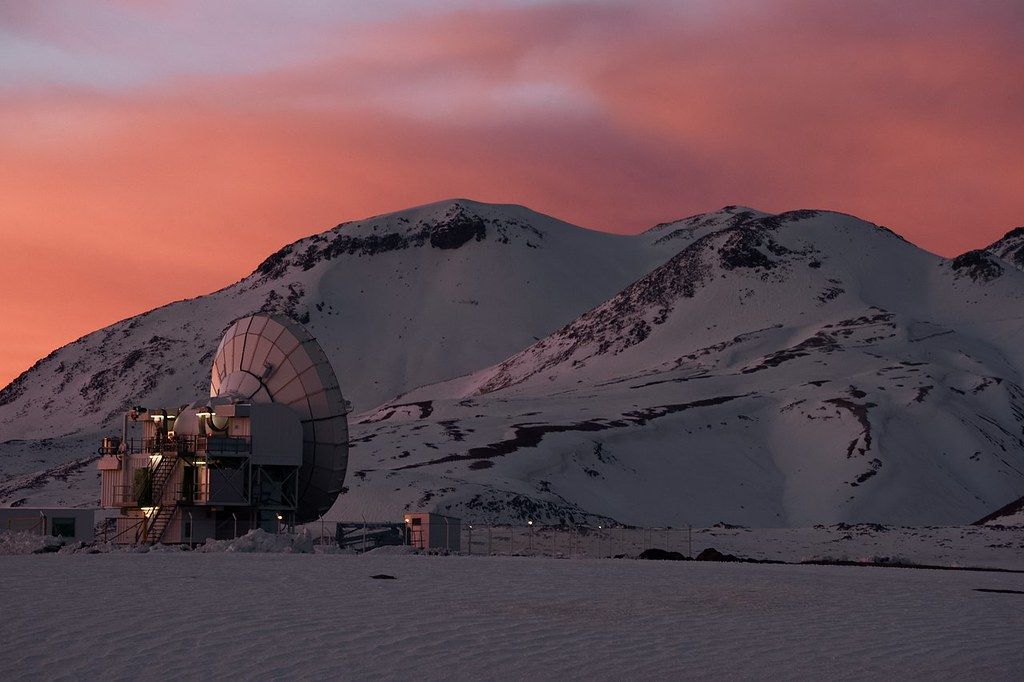
Several of the region's most popular trips go very high. The geysers, the high lagoons and the road towards the Bolivian border all reach well over four thousand metres, and the plateau where the radio telescopes of Chajnantor stand is higher still. At these heights, walk slowly, avoid sudden effort, and keep checking how you and others feel.
Night outings add cold to altitude. The body works harder to keep warm, and symptoms can feel worse. Dress for real cold, as described in desert heat, desert cold, and do not hesitate to end the night early if anyone feels unwell.
The simplest rule is also the most important: if symptoms grow worse, go down. Descending even a few hundred metres often brings quick relief, and nothing in the desert is worth risking your health for.