
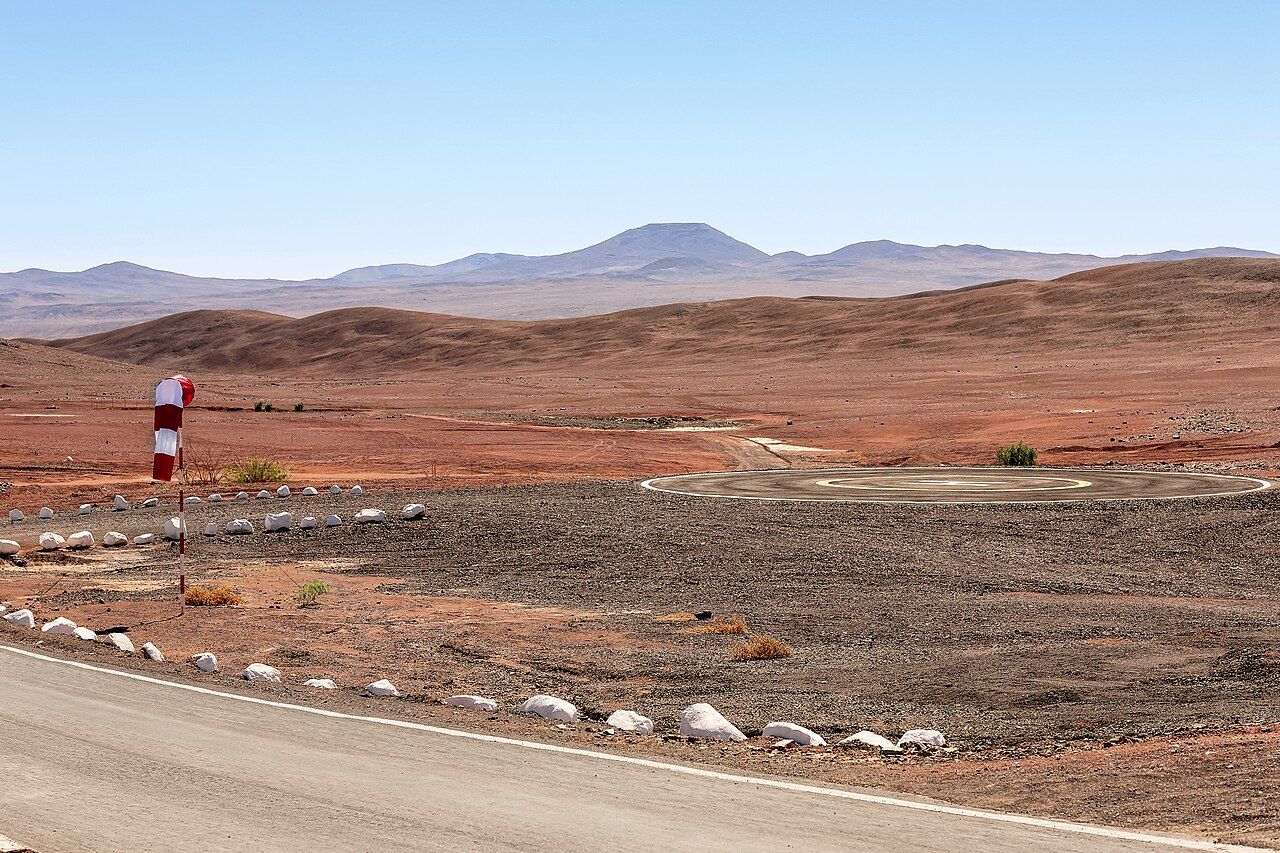
At two in the afternoon, the sun beats down on San Pedro and you look for shade. At two in the morning, the same streets may sit close to freezing. This daily swing is one of the defining features of the high desert, and it catches out more visitors than any other part of the climate.
The reason is simple. The air is extremely dry, the sky usually clear, and the altitude high. With no cloud and little moisture to hold heat, the ground warms quickly in the sun and loses that warmth just as fast once it sets. The same clear, dry air that makes the Atacama sky so clear also lets the cold in.
How big the swing is
In town, the difference between afternoon and pre-dawn temperatures is often twenty degrees or more. Summer days are hot and nights cool. In winter, days are mild but nights regularly drop below freezing, and frost forms on cars and roofs.
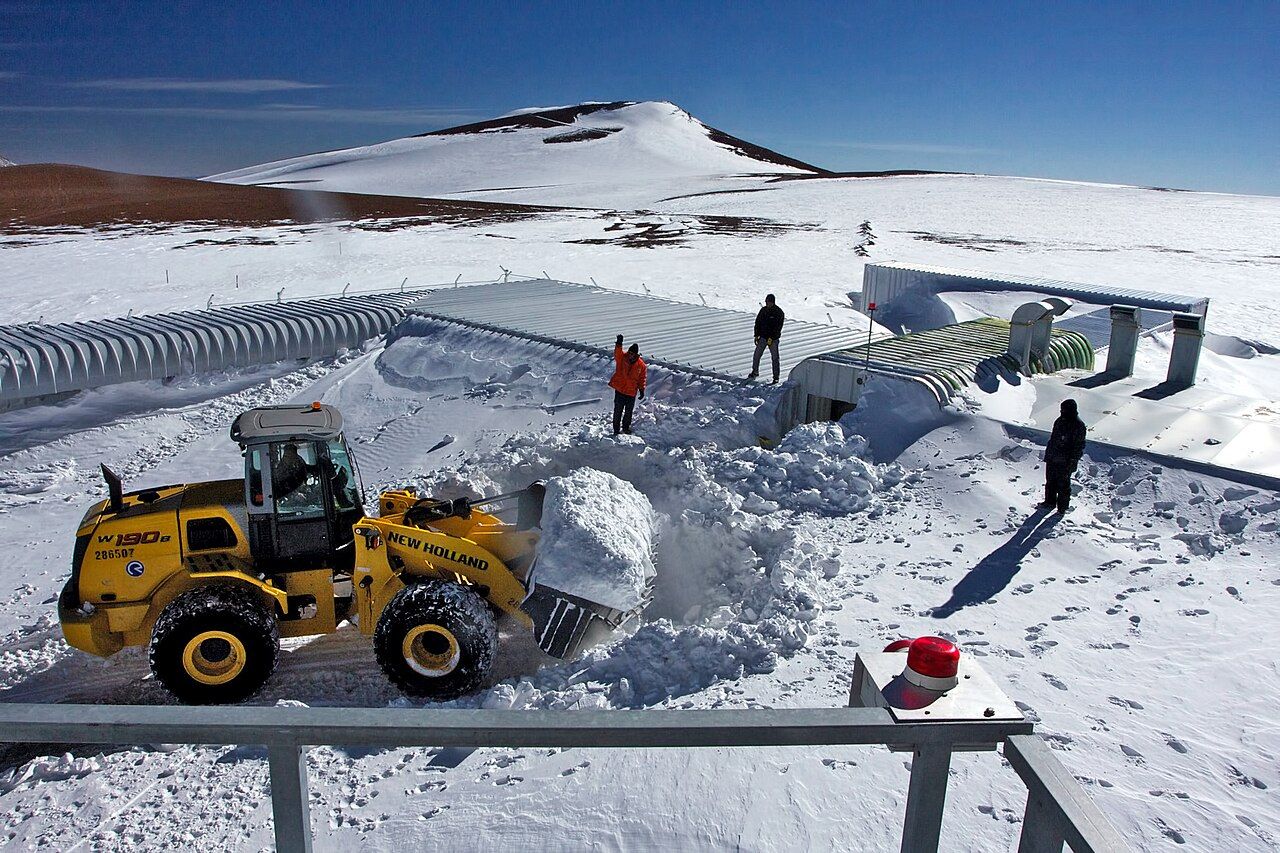
Higher up, the cold deepens. At the geysers or the high lagoons, dawn temperatures can be far below zero, with wind making it feel colder still. Sites above four thousand metres can be covered in snow after winter storms, and roads are sometimes closed.
The changes come fast. Within half an hour of sunset the warmth drains away, and the first stars appear in air that already feels sharp. If you set out in shirtsleeves, you will be uncomfortable before the sky is even fully dark.
The seasons
The Atacama has seasons, though they differ from those in many places.
- Summer, from December to February, brings hot days and mild nights in town. In the mountains, afternoon storms sometimes build, a pattern known locally as the altiplanic winter, and they can bring cloud, rain or snow to high areas and close roads.
- Autumn, from March to May, has clear skies, warm days and cool nights, and it is a comfortable time for most trips.
- Winter, from June to August, has the coldest nights and the longest hours of darkness. Skies are usually very clear, but cold is serious, especially at altitude.
- Spring, from September to November, warms gradually, with strong winds on some afternoons.
Every season has clear nights. The question is how cold they are, and what you need to stay comfortable.
Look up next: Choosing your nights by the Moon
Layers for the day
During the day, protection from sun matters more than warmth. Wear light, loose clothes that cover your arms and legs, a wide hat and good sunglasses. Use strong sunscreen and reapply it. The ultraviolet light is intense, and burns develop quickly even when the air feels cool.
Carry a warm layer in your bag at all times. A light fleece or jacket is useful for shade, wind and late afternoons. On longer trips into the mountains, add a hat and gloves, because conditions change with height and time.
A night outdoors
Watching the stars means standing or sitting still for long periods, often away from shelter, and that is when cold becomes a real problem. Dress as if for a winter evening in the mountains, even in summer.
- Start with thermal base layers on top and bottom.
- Add a warm mid layer, such as a fleece or wool jumper.
- Finish with a down or insulated jacket, ideally with a hood.
- Wear a warm hat that covers your ears, and gloves thin enough to work a camera, with mittens to pull over them.
- Choose thick socks and solid boots, since cold rises from the ground.
A blanket or sleeping mat to sit on keeps the ground's cold away. A thermos of hot tea or soup helps more than you might expect, and hand warmers are worth carrying for long sessions.
Avoid alcohol to stay warm. It makes you feel warmer briefly while letting your body lose heat faster, and at altitude it adds to dehydration.
Gear and the cold
Cold affects equipment as well as people. Batteries drain much faster at low temperatures, so keep spares in an inside pocket and swap them as needed. Phones may shut down suddenly. If you are taking photographs, read the advice on photographing the stars about keeping lenses free of frost and dew.
Bring a headlamp with a red setting to keep your night vision, and check it works before you leave. Fingers stiffen quickly in the cold, so prepare equipment while you are still warm.
Cold and altitude together
At high sites, cold and altitude combine. The body works harder to stay warm with less oxygen, and symptoms of altitude sickness can feel worse at night. If you are going high after dark, make sure you have acclimatised first, as described in altitude, dry air and your body.
Watch for signs of hypothermia in yourself and others: shivering that will not stop, clumsiness, slurred speech or confusion. If anyone shows them, get them into a vehicle or building, add layers, and warm them gradually. End the night early rather than push on.
Layers for both extremes
For a trip to the Atacama in any season, pack for both extremes:
- Sun hat, sunglasses, sunscreen and lip balm.
- Light, covering clothes for the day.
- Thermal layers, a fleece and a down jacket.
- Warm hat, gloves and thick socks.
- Refillable water bottle and a small thermos.
- Headlamp with a red light, and spare batteries.
Pack it all, and you can enjoy the bright desert days and the cold, clear nights equally.