
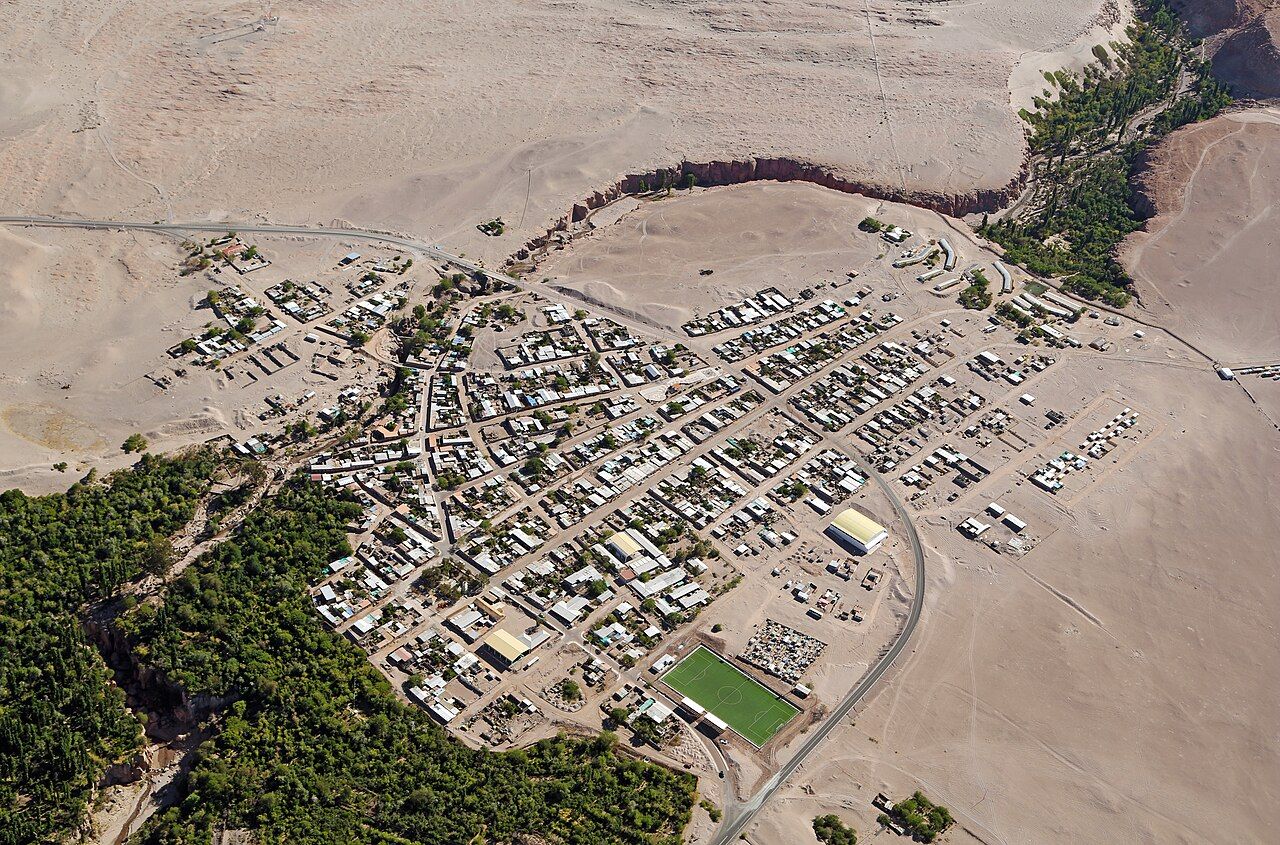
Long before San Pedro became a base for travellers, the oases of this desert were home to the Lickanantay, also known as the Atacameño people. The name is often translated as "people of the territory", and it describes a deep tie to place. Their ancestors farmed the green strips along the rivers, herded llamas on the high plateau, and travelled with caravans between the coast, the oases and the mountains. Their descendants still live in San Pedro, in the surrounding ayllus, and in villages such as Toconao, Socaire, Peine and Río Grande.
This is a living culture rather than a museum piece. What follows is only a brief, general introduction, offered as background for visitors who want to understand where they are and to behave with respect.
A people of the oases
The culture grew from the conditions of the desert. Water arrives from the mountains in thin rivers and springs, and life gathers wherever it flows. Over thousands of years, people learned to farm with very little rain, to store food against hard seasons, and to move between different altitudes to use different resources: crops in the oases, grazing on the high plains, and salt and minerals from the flats.
Archaeological sites around San Pedro, from early villages to the hill fortress at Quitor, trace that long history. After the Spanish arrived in the sixteenth century, the communities faced colonial rule, new religion and the loss of much of their land and language. Kunza, their old language, faded as a daily tongue, though many place names and some ceremonial songs still use it.
Today the Lickanantay are recognised in Chilean law as an indigenous people, and communities manage many of the sites that visitors come to see, from lagoons to archaeological sites.
Pachamama, the mountains and the water
At the heart of traditional belief is a close relationship with the living land. Pachamama, Mother Earth, gives food, water and life, and she is honoured with offerings, especially in August, when the earth is said to be open and hungry. Families share food, drink and coca leaves with her in small ceremonies at home and in the fields.
The mountains are powerful presences too. Volcanoes such as Licancabur, the cone over town, are seen as protectors and ancestors, linked with the water that comes down from their slopes. Springs, rivers and channels are treated with care and gratitude, because without them nothing grows.
Many of these beliefs blend with Catholic practice. Patron saint festivals in each village bring together masses and processions with dances, music and offerings that have older roots. Visitors are sometimes present at these events. Watch quietly, follow what local people do, and step back if a moment seems private.
Water, channels and terraces
Farming in the desert depends on sharing water fairly. In the oases and highland villages, a network of channels carries water from springs and rivers to the fields, and families take turns to irrigate, following rules that have been passed down and adjusted over generations.
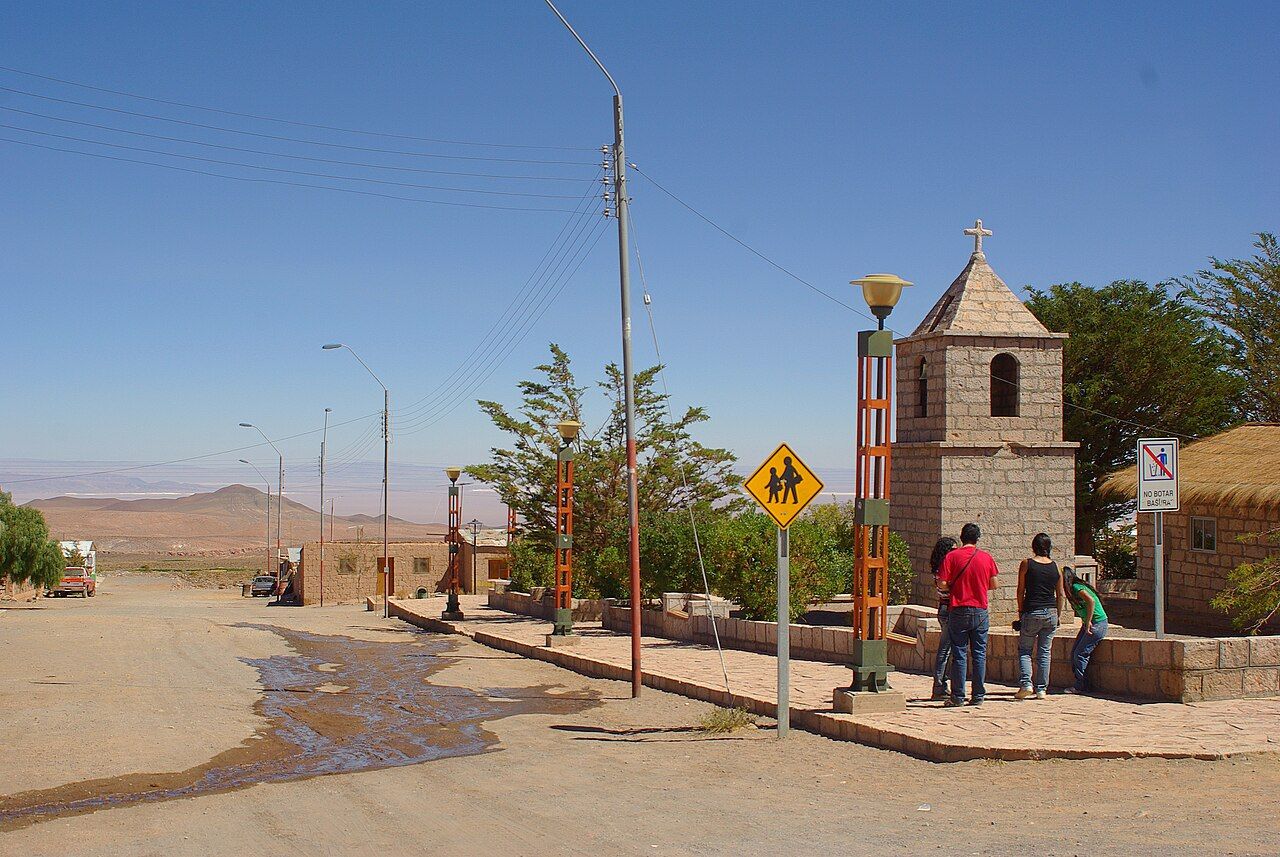
Keeping the channels clean is a shared duty, and in some villages it is marked by ceremony. In Socaire, on the road to the high lagoons, the cleaning of the channels is celebrated with the talatur, a rite that includes offerings, songs in Kunza and thanks to the water. Around the village, old stone terraces step down the slopes, and many are still farmed with crops such as maize, potatoes and broad beans.
Look up next: Blue water under the volcanoes
When you visit, you may walk beside these channels and fields. Never step into a channel, block it, or wash in it, and keep out of fields unless invited. The water is precious and carefully managed.
Toconao and Socaire
Toconao, south of San Pedro on the road along the salt flat, is built largely of liparite, a pale volcanic stone quarried nearby. Its bell tower, separate from the church, dates from the eighteenth century. Behind the village, the Quebrada de Jérez is a narrow ravine of orchards and fields watered by a stream, a green surprise in the bare hills.
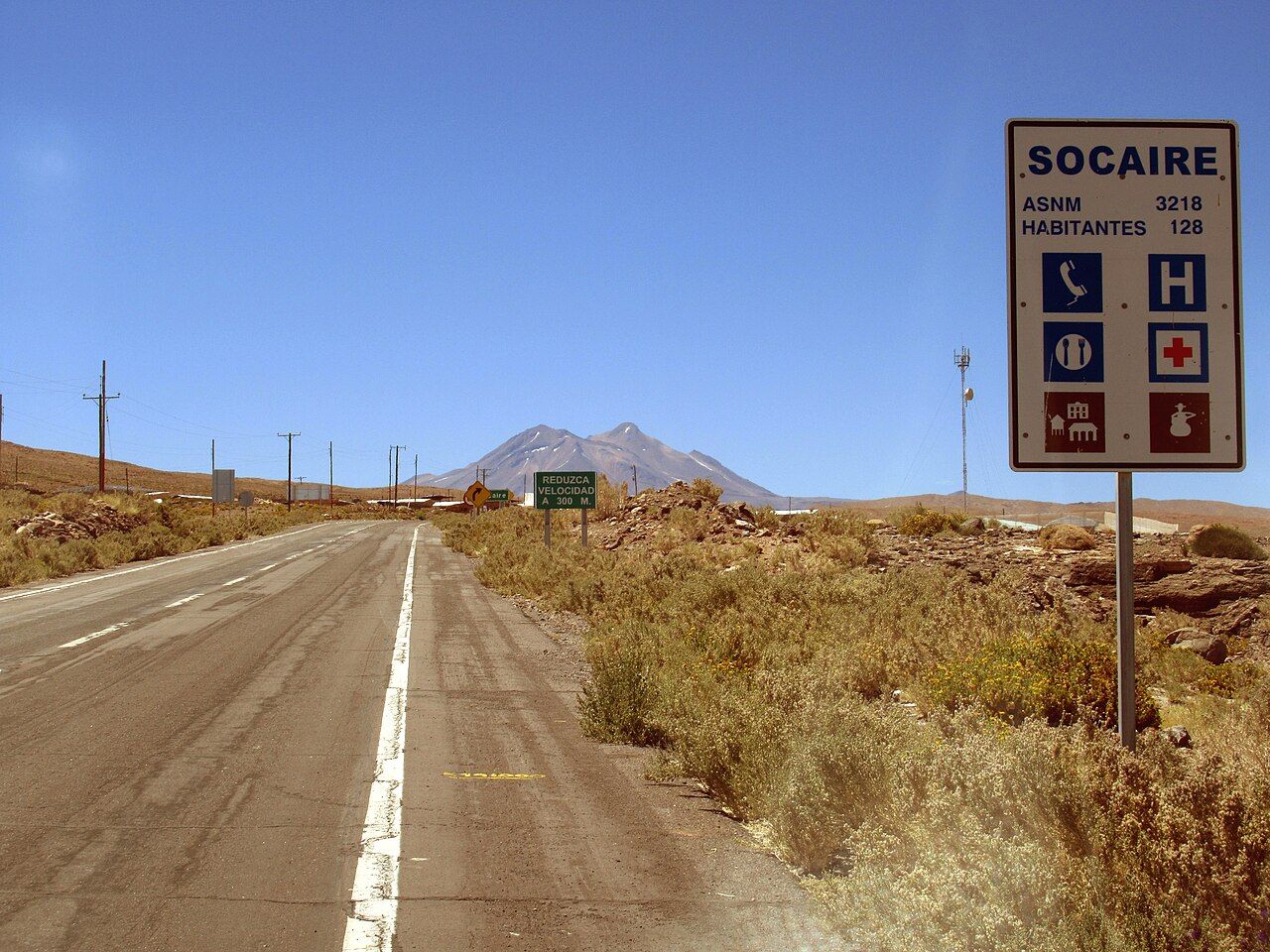
Socaire lies higher, on the slopes below the volcanoes, and it is often the stop before the high lagoons of Miscanti and Miñiques. Its terraces, its old and new churches and its quiet streets give a picture of highland village life. The altitude here is already well above San Pedro, so walk slowly.
In both villages, people go about their ordinary lives. Shops, schools and homes are not attractions. Buy local crafts or food where they are offered, greet people as you pass, and keep your camera down unless you have asked.
Terraces, shrines and the ayllus
A few simple principles help.
- Treat archaeological sites, rock art and cemeteries as sacred. Do not touch, climb or remove anything.
- Pay community entry fees without complaint. They fund the care of the sites and support the people who live here.
- Ask permission before photographing people, homes or ceremonies, and respect a refusal.
- Use water sparingly. It is the most valuable resource in the desert.
- Follow local guidance on where you may walk, swim or drive.
Learning even a little of this background changes how a trip feels. The round houses of Tulor and the walls of Quitor stop being ruins and become part of one long story that still continues in the oases today.
Learning more
In San Pedro, the archaeological museum, when open, offers the best introduction to the long history of the region. Some community-run sites have their own small displays or local guides who can explain what you are seeing. Listen to them first: they speak from inside the culture, not about it from outside.