
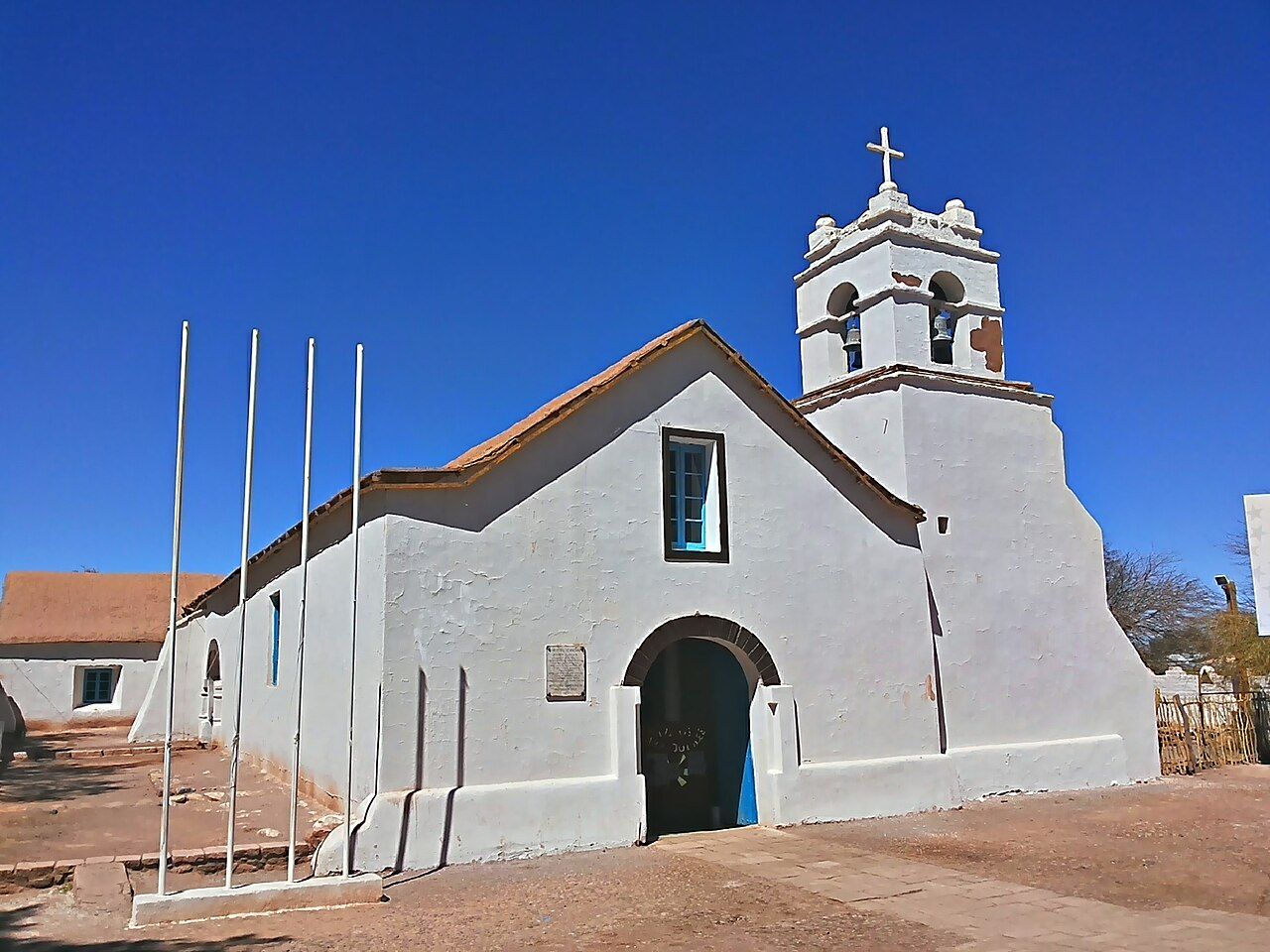
San Pedro de Atacama is small. You can walk from one end of the centre to the other in a quarter of an hour, along lanes of packed earth between walls of adobe, the sun-dried mud brick that has been used here for centuries. Low roofs, pepper trees, a plaza and a white church make up the core. Around it spreads the oasis, a ragged green patch of fields, orchards and channels fed by rivers from the mountains.
The town sits at about 2,400 metres, on the northern edge of the Salar de Atacama, with the Andes to the east and the jagged Cordillera de la Sal to the west. For most visitors it is a base for the valleys, lagoons, geysers and stars. Yet it is worth giving the town its own time, at a slow pace, before setting off on the longer trips.
The church of San Pedro
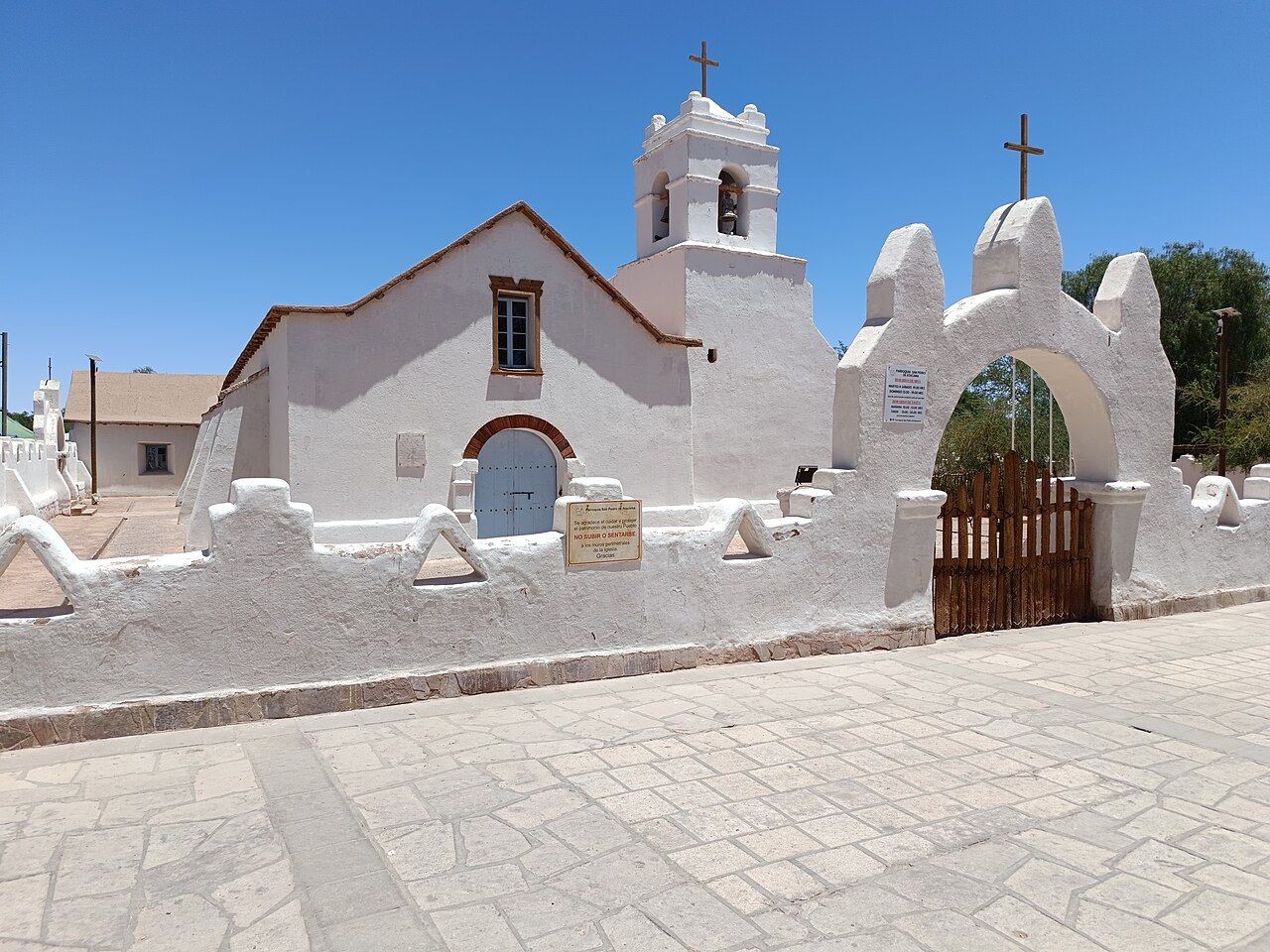
The Iglesia de San Pedro stands at the corner of the plaza, a long, white adobe building with a separate bell tower and a walled courtyard. It is one of the oldest churches in the region. The present building dates largely from the eighteenth century, though a church has stood here since colonial times, and it is protected as a national monument.
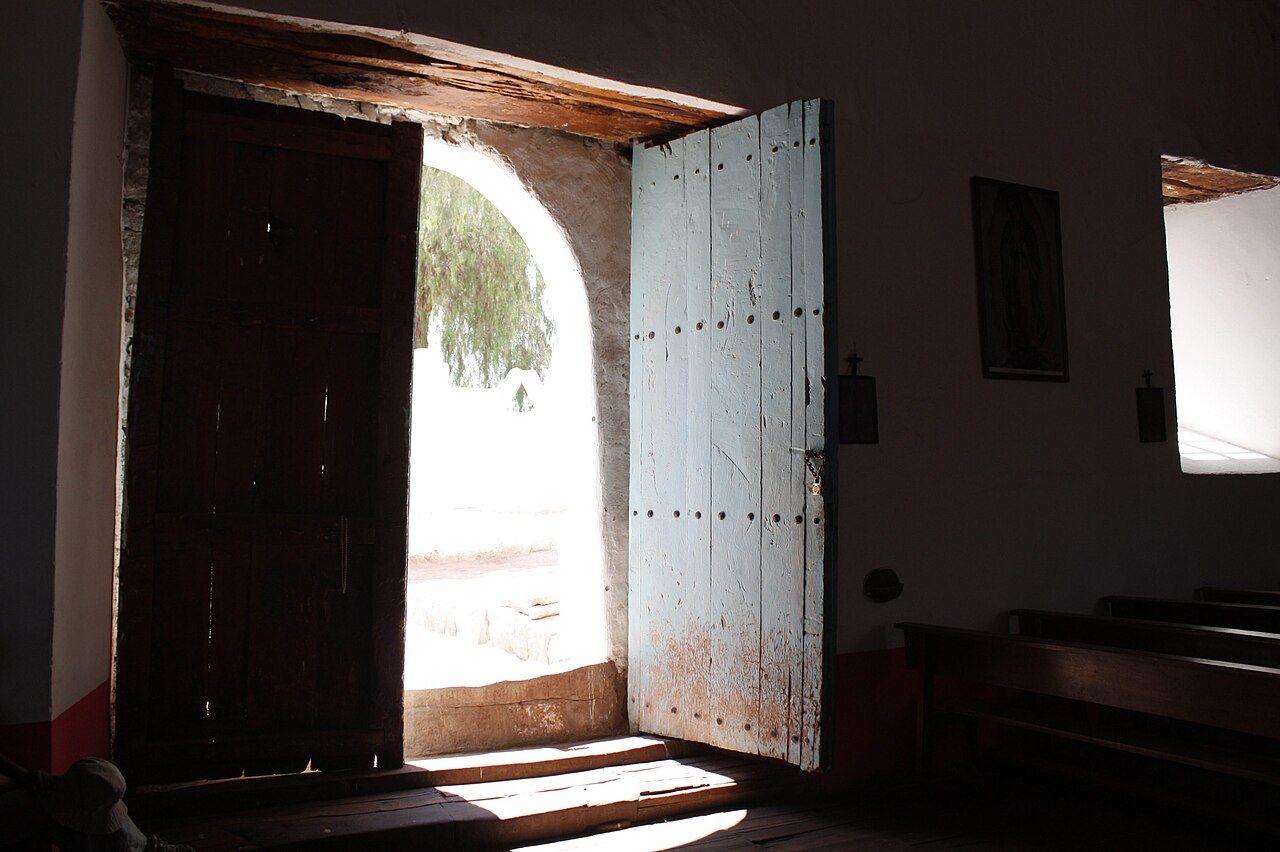
Step inside and look up. The ceiling is made from the wood of the cardón, a tall cactus of the region, laid over beams of algarrobo and tied with strips of leather rather than nails. The walls are thick, the light dim, and the air cool even in the midday heat. It remains a working church at the centre of local religious life, so visit quietly and keep away from services and celebrations unless you are taking part.
The festival of San Pedro and San Pablo, at the end of June, is the biggest event in the town's calendar, with processions, dances and music in the streets. Other feast days through the year bring their own celebrations, many mixing Catholic and older Andean traditions.
Caracoles and the plaza
Caracoles is the main street, a narrow lane of packed earth running south from near the plaza. Its adobe walls now house much of the town's life for visitors, and in the evening it fills with people walking slowly between pools of light. Side streets lead off it into quieter neighbourhoods, where the walls are older and the doors closed.
The plaza is the town's living room. Tall pepper trees shade benches, and families, workers and travellers drift through at all hours. Around it are the church, the municipal buildings and a scattering of older houses. Sit for a while in the late afternoon and you will see a good part of the town pass by.
The town also has an archaeological museum, named after the Belgian priest who gathered much of its early collection. It tells the long story of the people of the oasis through pottery, textiles and tools. Its buildings and displays have been renewed in recent years.
The oasis and its ayllus
San Pedro is not just a town but a cluster of ayllus, traditional community areas, spread across the oasis. Names such as Quitor, Larache, Solor, Sequitor and Coyo belong to these ayllus, each with its own families, fields and history. Many of the archaeological sites around town, from the fortress of Quitor to the old village of Tulor, sit on community land and are managed by the people who live there.
Water shapes everything. Two rivers, the San Pedro and the Vilama, bring meltwater down from the mountains, and an old network of channels shares it between fields of maize, alfalfa and fruit trees. Water is scarce and growing scarcer, as demand from visitors and from mining rises. Use it carefully: short showers, a refillable bottle, no waste.
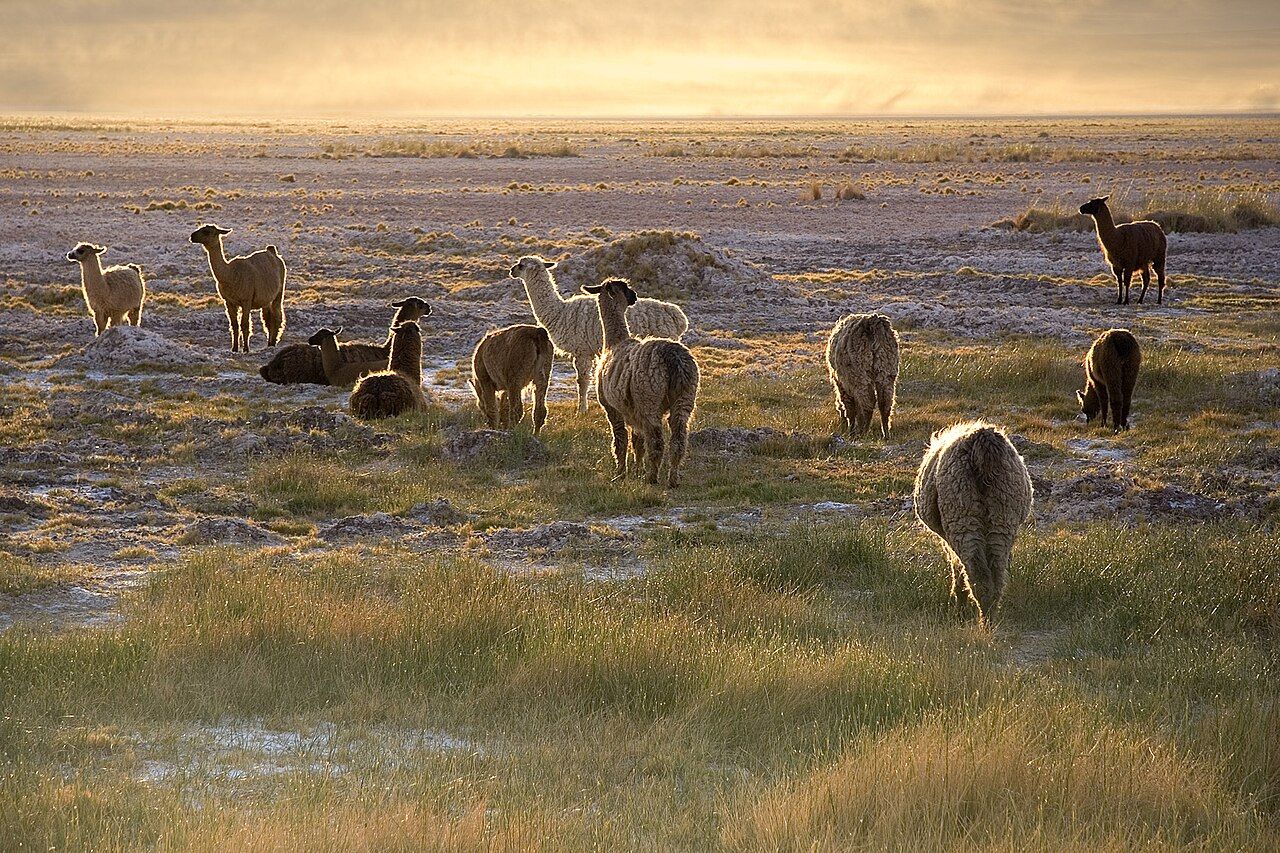
Walk or cycle a few minutes from the centre and you are among the fields, where walls of adobe and stone line dusty lanes, and llamas or donkeys graze behind wire. These quieter edges show the oasis as it has long been, before the visitors arrived.
Look up next: The Lickanantay people and the land
Quiet evenings
After sunset the town changes. The heat drains away quickly, and within an hour of dusk you need a warm jacket. The lanes grow quiet except for the main street, dogs settle in doorways, and the sky begins to fill with stars, even above the lights.
The town keeps its lighting fairly low, and northern Chile has rules that limit light pollution to protect the observatories. Still, the brightest skies are only a short way outside. Walk ten or fifteen minutes beyond the last houses, turn off your torch, and let your eyes adjust. On a moonless night the Milky Way appears overhead, bright enough to cast faint shadows on the pale ground.
Walk ten or fifteen minutes beyond the last houses, turn off your torch, and let your eyes adjust.
Carry a small headlamp with a red setting, which keeps your night vision. Lanes outside the centre are unlit and uneven, and vehicles do not expect pedestrians. Go with someone else if you can, and stay on roads and tracks rather than crossing fields or community land.
If you want to know what you are seeing, read about the southern sky for northern eyes before you go out: the Southern Cross, the Magellanic Clouds and Scorpius overhead are all easy to find once you know where to look.
A base for the region
Almost every trip in the region starts and ends here. The salt lagoons and the flamingos lie to the south, the geysers to the north, the moon-like valleys to the west, and the high lagoons and volcanoes to the east. Distances are long, roads often gravel, and altitude rises quickly once you leave town.
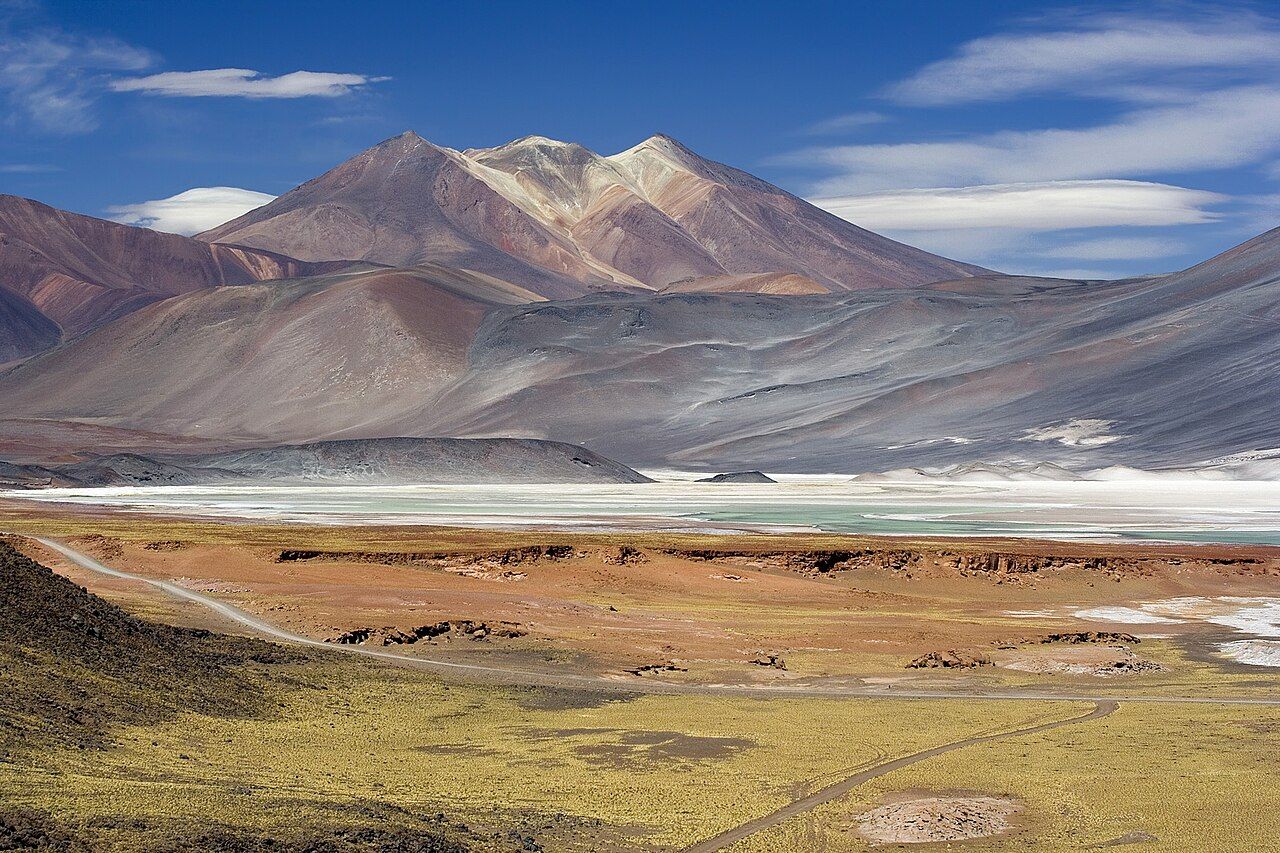
Plan your days with that in mind. Give yourself an easy first day or two in town and on low outings such as Valle de la Luna before heading for the high lagoons or the geysers, and read about altitude, dry air and your body before you go higher. Spend some of your time simply in San Pedro itself, walking its lanes in the morning, sitting in the plaza in the afternoon, and looking up after dark.
Respect the place as a home as well as a destination. Keep your camera down at religious events unless you have asked, keep noise down at night, and remember that many of the people you meet are members of communities that have lived in this oasis for a very long time.