
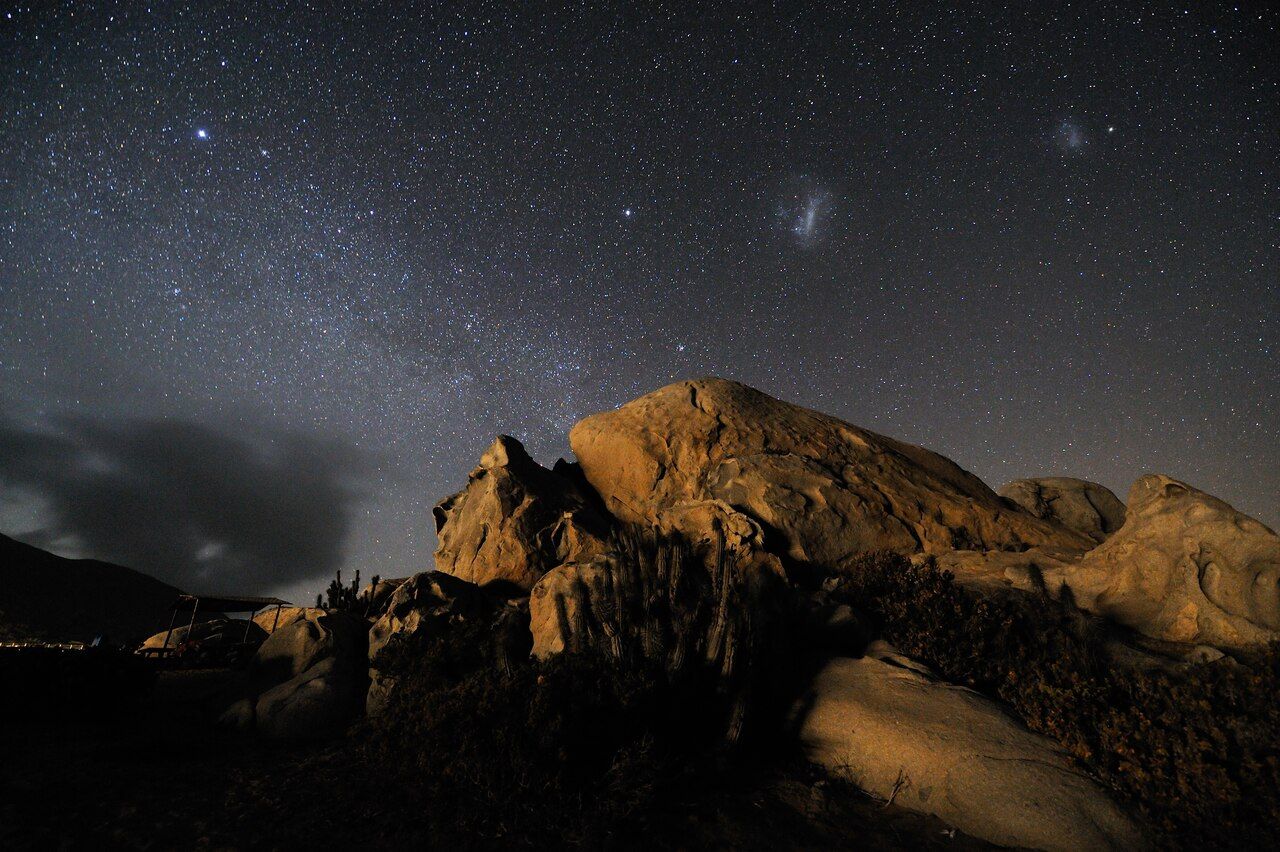
The first thing most people notice on a clear night near San Pedro de Atacama is not a single star but the crowd of them. The sky looks grainy, almost dusty, with points of light filling spaces that at home stay black. Then the Milky Way rises over the volcanoes, bright enough to show its own dark lanes, and the question arrives on its own: why here?
The answer is a run of ordinary physical facts that happen to line up in one place. Dry air, high ground, a steady climate and very few people combine in the Atacama better than almost anywhere else on the planet. None of them is magic, and each one is worth understanding before you head out into the dark.
A desert that almost never gets rain
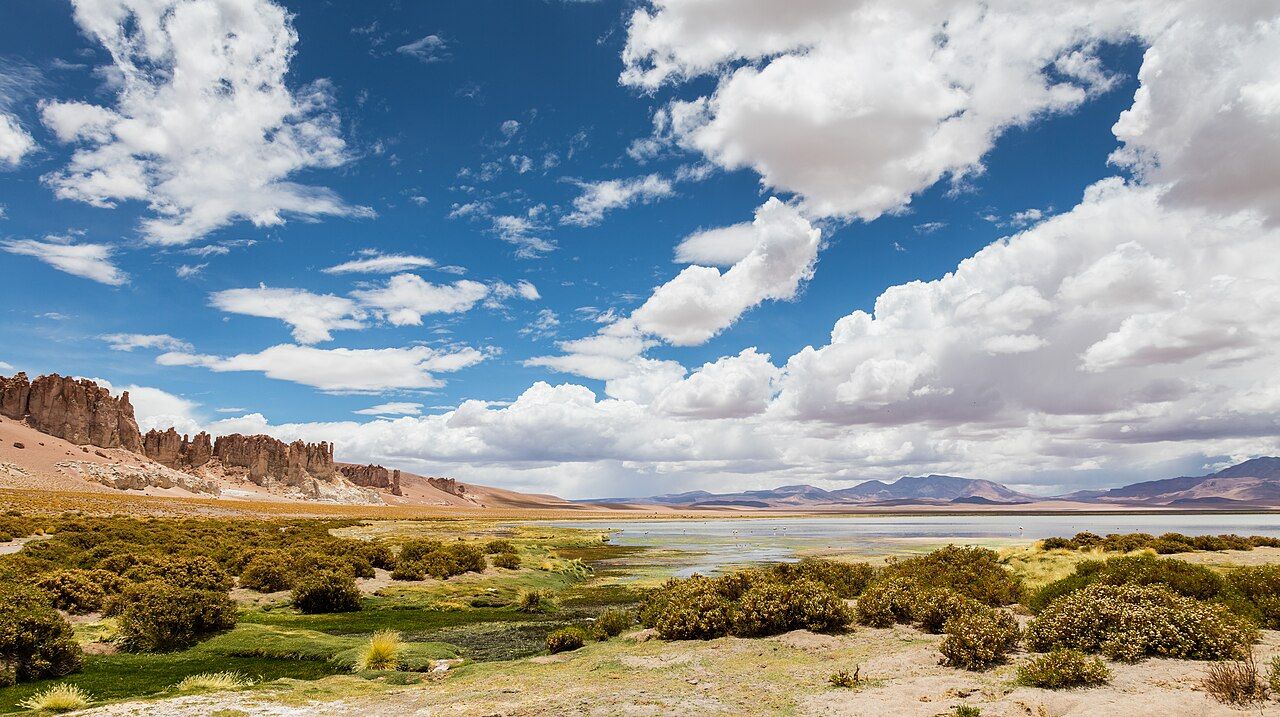
The Atacama is often called the driest non-polar desert in the world. Some weather stations along its core have recorded years with no measurable rain at all. Three forces keep it that way. To the west, the cold Humboldt Current chills the air above the Pacific, so it holds little moisture and rarely rises into rain clouds. Over the ocean, a large and stable zone of high pressure keeps pressing the air downwards, which suppresses cloud. To the east, the wall of the Andes blocks most of the wet air drifting in from the Amazon basin.
For anyone looking up, dryness matters twice. Fewer clouds mean more clear nights in a year. Less water vapour in the air means the light from stars passes through with less dimming and blurring, which is why the sky here looks so crisp even close to the horizon. Moisture also absorbs certain wavelengths that astronomers care about, especially in the infrared and the millimetre range, so the driest sites open windows that wetter places keep shut.
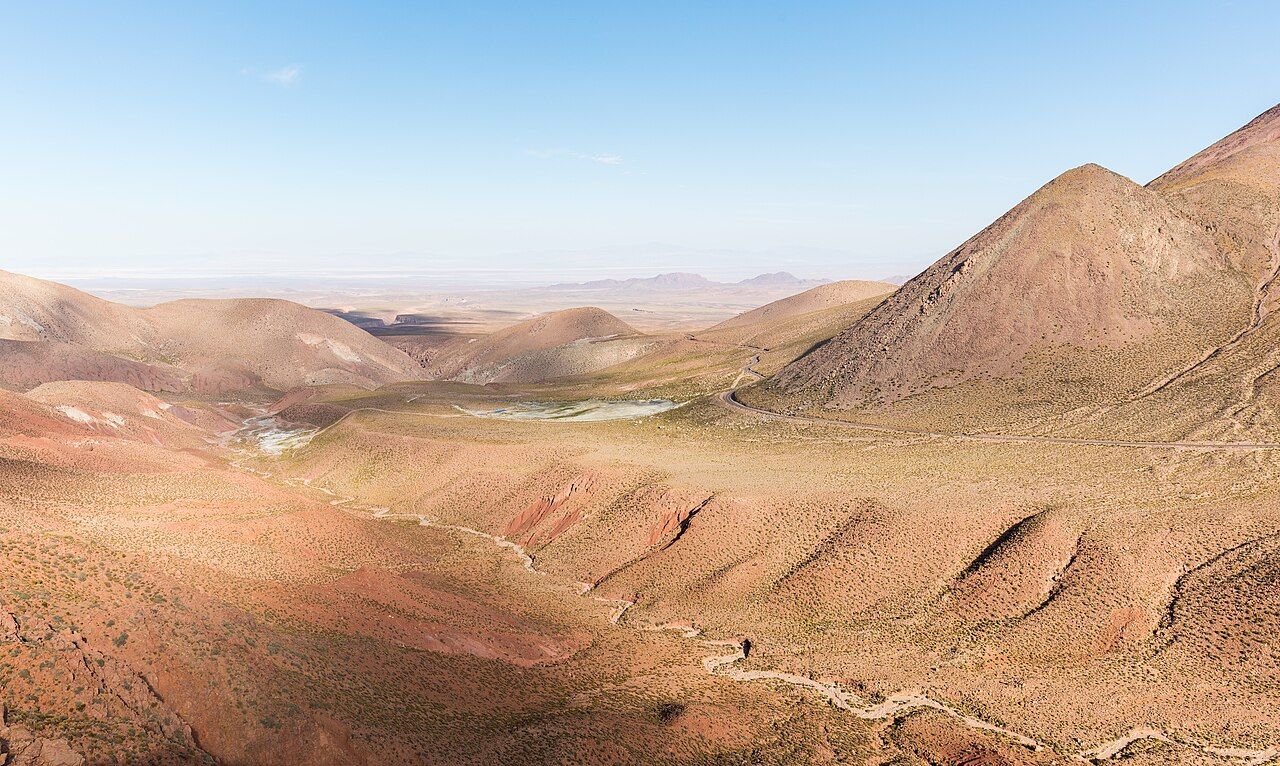
The same dryness shapes the land you cross by day. Hills stay bare, stones keep sharp edges and the ground shows every fold. That empty landscape is the daytime face of the clear sky you see after sunset.
Height above the haze
San Pedro sits at roughly 2,400 metres, and the plateaus and passes above it climb well past 4,000. Every metre of height leaves a little more atmosphere below you. Thinner air above the observer means less dust, less moisture and less turbulence between your eye and the stars. The twinkling that astronomers call seeing is often calmer on these high sites, so stars look like steady points rather than trembling sparks.
Height has a price, though. Thin air also means less oxygen for your body, and a night drive to a high viewpoint is not the same as a stroll in the garden at home. Read the guide to altitude and your body before planning anything above the town, and if you have heart, lung or blood pressure concerns, talk to a doctor before the trip.
Thinner air above the observer means less dust, less moisture and less turbulence between your eye and the stars.
Few lights and a steady sky
Large parts of northern Chile have almost no permanent population. Between the coastal cities and the Andes stretch hundreds of kilometres of gravel plain, salt flat and bare mountain. Without towns there is very little artificial light bouncing off the air, and on a moonless night the sky stays truly black between the stars.
Chile has also taken steps to protect that darkness. Rules in the northern regions limit how outdoor lighting can shine upwards, and many street lamps are shielded so their glow falls on the road rather than the sky. Even in San Pedro, the lights of the town fade within a short walk or drive of the last houses. You do not need to travel far to find a horizon free of glow, only far enough to put a hill or a few kilometres between you and the plaza.
Look up next: Choosing your nights by the Moon
The climate is steady as well as dry. For much of the year the weather changes little from one night to the next, and the long dry season brings run after run of clear evenings. The main exception comes in the southern summer, when storms build over the high Andes in the afternoons and can spread cloud late into the evening. Winter nights are clearer and longer, but also bitterly cold, so the best season depends on how much cold you can take.
Why the observatories came
Astronomers began testing sites in northern Chile decades ago, and the results drew some of the largest telescopes ever built. The Atacama and the mountains on its southern edge now host major observatories run by international partnerships. Paranal, on a peak near the coast, carries a group of large optical telescopes. On the Chajnantor plateau east of San Pedro, at about 5,000 metres, dozens of radio antennas of the ALMA array work together to study cold gas and dust where stars and planets form.
Each kind of telescope needs something slightly different. Optical telescopes want clear, steady air and darkness. Radio dishes working at millimetre wavelengths care less about darkness and more about water vapour, which is why ALMA sits so high and so far from any town. You can learn more in the story on ALMA and the observatories, which explains how to see these places from outside and what public visits are like in general.
For a visitor, the presence of these instruments is a useful signal. The same conditions that justify billions in research spending are there for anyone with a pair of eyes, a warm coat and a patch of dark ground.
How to make the most of it
Clear air only helps if you give your eyes a chance. A few simple habits make a big difference:
- A bright Moon washes out faint stars for hours.
- Get away from the town lights, even if only a short distance, and face away from any glow on the horizon.
- Switch phone screens to their dimmest setting, or better, put the phone away. Use a red torch to see your feet.
- Lie back on a reclining chair or a mat. Craning your neck for an hour is tiring, and the best of the sky is overhead.
- Dress as if for a winter night, even after a hot day. The desert gives up its heat fast once the sun sets.
The cold surprises almost everyone. Daytime can feel like summer and midnight like a freezer, especially in the southern winter, so read the guide to desert heat and desert cold before packing.
Looking without a telescope
You do not need any equipment to enjoy this sky. With bare eyes on a dark night you can follow the Milky Way from horizon to horizon, see the two Magellanic Clouds as soft grey patches, spot the dark Coalsack beside the Southern Cross and pick out several star clusters that look like faint smudges. Binoculars add colour to bright stars and reveal crowds of fainter ones inside the clouds and clusters.
If you come from the northern hemisphere, the whole arrangement may look strange at first. Familiar patterns sit upside down or low on the wrong horizon, and some of the finest sights never rise at home at all. The story on the southern sky for northern eyes walks through what to look for, season by season.
Above all, give it time. The longer you stay out, the more the sky fills in. After an hour, the black spaces between the bright stars no longer look empty, and you begin to understand why so many people who study the universe chose to build their instruments here.